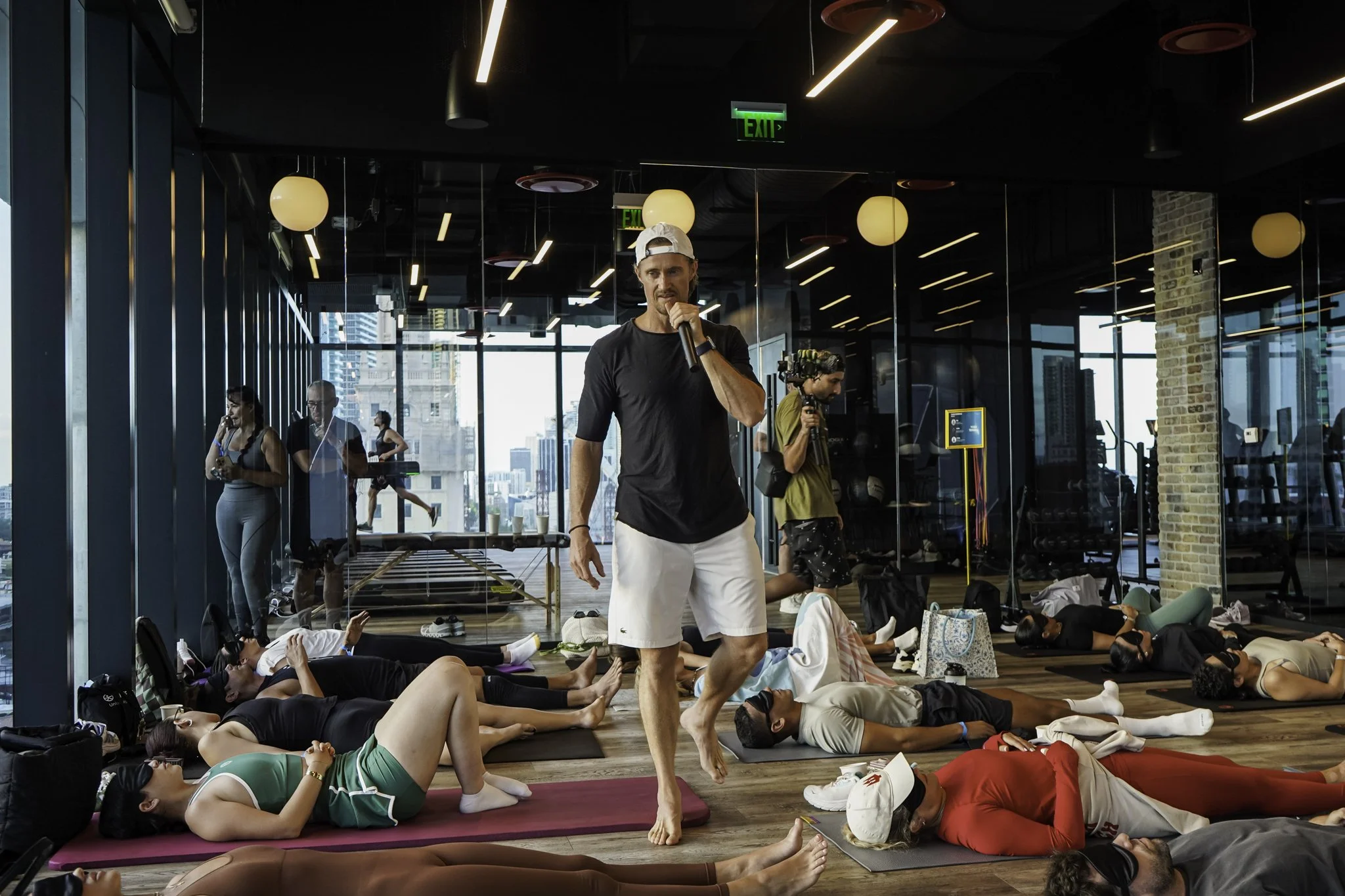
BREATHWORK
You take around 20,000 breaths every day — but most people never take a single one consciously.
Your breath is the fastest way to shift your nervous system.
It can calm anxiety, release stored emotion, and bring you back into your body. you can literally do it right now!
Breathwork isn’t about effort.
It’s about access.
When you breathe consciously, your body receives a clear message:
You are safe. You are present. You can let go.
This work doesn’t live in the mind.
It lives in the body where real change happens.
Ancient. Practical. Immediate.
Your breath is the key.
-
Breathwork works by speaking directly to your nervous system — faster than thought, deeper than talk. Through specific breathing patterns, we shift the body out of stress and survival and into a state where release, clarity, and regulation can occur naturally.
As the breath deepens and changes, oxygen and carbon dioxide levels shift, the vagus nerve is stimulated, and the body begins to unwind stored tension and emotion. What the mind has held onto, the body can finally let go of.
This is not about forcing anything. The breath creates the conditions — your system does the work.
-
Breathwork is for anyone who feels stressed, stuck, disconnected, overwhelmed, or simply curious about what’s possible when the body is given space to reset. You don’t need experience, flexibility, or a spiritual background — just a willingness to breathe.
People come to breathwork for many reasons: anxiety, burnout, emotional release, clarity, energy, creativity, or a deeper connection to themselves. Some come to heal. Others come to feel more alive.
The breath meets you exactly where you are — and takes you only as far as you’re ready to go.
-
Your breath is powerful — and power is best explored with guidance. A skilled facilitator creates a safe, intentional container where your nervous system can relax enough to open, release, and reorganize.
As a facilitator, I help you stay connected to your body, regulate intensity, and move through sensations and emotions without getting overwhelmed or shutting down. This isn’t about pushing harder — it’s about knowing when to soften and when to stay present.
Having guidance allows the experience to go deeper, feel safer, and integrate more fully into your life.
-
For most people, breathwork is very safe and deeply supportive. That said, it is a physiological practice, and safety always comes first. Certain medical conditions — such as pregnancy, cardiovascular issues, or a history of seizures — require modified approaches or additional screening.
Before working together, we review your health history to ensure the breathwork style is appropriate for your body and nervous system. Everything is done with consent, awareness, and care.
This work is not about extremes.
It’s about intelligent breath, nervous system safety, and deep respect for your body’s wisdom. -
Item descI work with a range of breathwork techniques, chosen intentionally to meet different bodies, nervous systems, and intentions. These include conscious connected breathing, rhythmic breath, activating and calming patterns, and trauma-aware, nervous-system–led breathwork. Each style serves a purpose — some energize and open, others regulate and restore.
Rather than forcing one method, I listen to what the body is communicating in the moment. Sessions may include phases of gentle regulation, deeper activation, emotional release, and stillness — allowing the breath to guide the experience naturally. This creates a balanced journey that is both powerful and grounded.
This work is intuitive, informed by experience, and always led with safety and respect. No two sessions are the same — because no two bodies are the same. The breath becomes the bridge between awareness, release, and integration.